
Institutsleitung
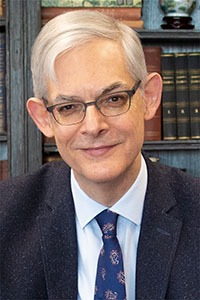
Prof. Dr. Frank Rövekamp
Institutsleitung/Studiengangleitung
Leitung Schwerpunkt Japan
Tel. +49-621-5203-438
roevekamp@oai.de
Sprechstunde nach Vereinbarung
Stellvertr. Leitung

Christine Liew, M. Litt.
Stellvertr. Leitung/Studienberatung
Komm. Leitung Schwerpunkt Korea
Tel. +49-621-5203-423
liew@oai.de
Sprechstunde nach Vereinbarung
Ehemalige
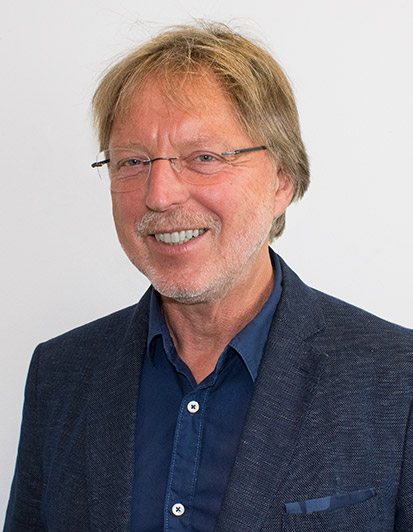
Prof. Dr. Rainer Busch, Professor für BWL, Marketing / Internationales Marketing.
Lehrveranstaltungen: Internationales Management
Yeongeun Choi, Lehrbeauftragte für Koreanisch
Lehrveranstaltung: Fachsprache II
Yuko Ueno, Lehrbeauftragte für Japanisch.
Lehrveranstaltungen: Japanisch I bis IV.

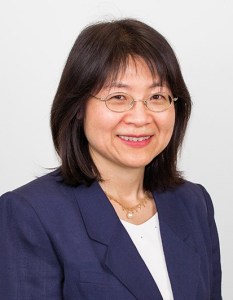
Dr. Satomi Adachi-Bähr
Lehrkraft für Japanisch
Lehrveranstaltungen:
Japanisch I bis IV, Fachsprache I und II
Tel.: 0621 5203-437
E-Mail: adachi@oai.de

Dr. Nikolay Bakalov
Lehrbeauftragter für Recht
Lehrveranstaltung:
Japanisches Recht
E-Mail: Nikolay.Bakalov@lb.hwg-lu.de

Beate Baumbeck
Dipl-Betriebswirtin (FH), Lehrbeauftragte für Wirtschaftsinformatik
Lehrveranstaltung:
Einführung in ERP-Systeme am Beispiel SAP
E-Mail: Beate.Baumbeck@lb.hwg-lu.de

Dr. Dai Yi
Lehrkraft für Chinesisch
Lehrveranstaltungen:
Chinesisch I bis IV, Fachsprache I und II
Tel.: 0621 5203-439
E-Mail: dai@oai.de

Prof. Dr. Barbara Darimont
Leitung des Studienschwerpunkts China; Professur für Wirtschaft Chinas.
Lehrveranstaltungen:
- Einführung wissenschaftliches Arbeiten
- Einführung asiatischer Kultur- und Wirtschaftsraum
- Grundlagen Chinastudien I und II
- Zivilrecht (BGB Allgemeiner und Besonderer Teil)
- Internationales Arbeitsrecht
- Chinesisches Recht
- Wirtschaftspolitik Chinas I und II.
Vorsitzende des Vereins zur Förderung des Ostasieninstituts e.V.
E-Mail: darimont@oai.de
Weitere Informationen zu Prof. Dr. Barbara Darimont auf der Profilseite der Hochschule für Wirtschaft und Gesellschaft Ludwigshafen

Sunha Dötz
Lehrbeauftragte für Koreanisch

Prof. Dr. Andreas Gissel
Professur für BWL, Logistik und Organisation
Lehrveranstaltung:
Supply-Chain-Management
Tel.: 0621 5203-443
E-Mail: andreas.gissel@hwg-lu.de

Gunda Helmer
Diplom-Mathematikerin; Lehrkraft für Wirtschaftsmathematik und Statistik
Lehrveranstaltungen:
Statistik I und II
Tel.: 0621 5203-226
E-Mail: Gunda.Helmer@hwg-lu.de

Dr. Taek-weon Jerry Kam
Lehrbeauftragter für Recht
Lehrveranstaltungen:
Koreanisches Recht
E-Mail: Taekweon.Kam@lb.hwg-lu.de
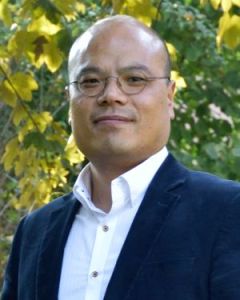
Dr. Sangkuk Kim
Lehrkraft für Wirtschaft und Modernes Korea
Lehrveranstaltungen:
Koreastudien, Business Skills & Methods I, II, III
E-Mail: Sangkuk.Kim@hwg-lu.de
Akademischer Werdegang
- 2016 – Promotion (Dr. rer. pol.), Otto-Suhr-Institut für Politikwissenschaft, Freie Universität Berlin Dissertation: „Die Energiepolitik Koreas – Strategien und Herausforderungen im internationalen Kontext“
- 2006 – Diplom-Politologe, Otto-Suhr-Institut, Freie Universität Berlin Diplomarbeit: „Die Asienkrise und Energiepolitik – Auswirkungen auf die regionale Wirtschaft“
- 2002 – Studium der Politikwissenschaft, Martin-Luther-Universität Halle-Wittenberg
- 1998 – Bachelor Germanistik, Hankuk University of Foreign Studies, Seoul (Korea)
Berufliche Laufbahn
- Seit 09/2025 Lehrkraft für besondere Aufgaben (LfbA) Politik und Wirtschaft, Hochschule für Wirtschaft und Gesellschaft Ludwigshafen, Ostasieninstitut
- 03/2024 – 08/2025 Lehrbeauftragte für Politik Korea und Wirtschaft, Hochschule für Wirtschaft und Gesellschaft Ludwigshafen, Ostasieninstitut - Lehrtätigkeit in koreanischer Wirtschaftsgeschichte, politischer Ökonomie Ostasiens und Energiepolitik - Betreuung von Bachelor- und Masterarbeiten - Entwicklung interdisziplinärer Lehrformate zu KI, Energiepolitik und Nachhaltigkeit
- 2025 – Vice Chair, Global Information and Emerging Security Committee, Global Responsibility for a Leading Nation Committee (Präsidentschaftskandidat Lee Jae-myung)
- 2014–2023 – Wissenschaftlicher Mitarbeiter, Freie Universität Berlin - Forschung und Lehre im Bereich Ostasienpolitik und internationale Energiebeziehungen - Leitung eines Projekts, ausgezeichnet mit dem Preis des Premierministers und Präsidenten der Republik Korea - Organisation von Fortbildungen für ca. 600 südkoreanische Beamte
- Seit 2022 – Unification Education Commissioner, Ministerium für Wiedervereinigung der Republik Korea
- seit 2019 – Mitglied des Peaceful Unification Advisory Council 2012–2013 – Wissenschaftlicher Referent für Energie- und Klimapolitik, Botschaft der Republik Korea, Berlin
- 2009–2012 – Wissenschaftlicher Referent für Politik und Wirtschaft sowie Dolmetscher, Botschaft
der Republik Korea, Berlin - 2004–2005 – Referent für Sicherheits- und Verteidigungspolitik, Botschaft der Republik Korea, Berlin
Seit 2002 – Freiberuflicher Dolmetscher und Übersetzer (Deutsch, Englisch, Koreanisch); Mitglied im
BDÜ seit 2018
Forschungsschwerpunkte
- Vergleichende politische Ökonomie Ostasiens
- Energie- und Klimapolitik in Ostasien
- Internationale Beziehungen und Sicherheit auf der Koreanischen Halbinsel
- EU–China- und Korea–EU-Wirtschaftskooperation
- Interkultureller Wissenstransfer und Translation
Forschungs- und Drittmittelprojekte (Auswahl)
Nordkoreas Einbindung in internationale Umweltinstitutionen (2022) – Forschungsprojekt des
Ministeriums für Wiedervereinigung in Kooperation mit der Stiftung Wissenschaft und Politik (SWP)
Evaluierung der westdeutschen Außenpolitik gegenüber der Sowjetunion (2023) – Forschungsprojekt
des Ministeriums für Wiedervereinigung
Geopolitische Bewertung der südkoreanischen Außenpolitik (2023) – Beratungsprojekt der Friedrich-
Ebert-Stiftung (FES)
Wissenstransfer als interkulturelle Translation (2013–2015) – DFG-Transferprojekt (SFB 580)
Fortbildungsprogramme für südkoreanische Beamte (2014–2023) – Ministerium für Wiedervereinigung
Wattenmeer–Gaetbul Kooperation (2009–Gegenwart) – Umwelt- und Forschungskooperation Korea–
Europa
Lehr- und Betreuungserfahrung
Lehrveranstaltungen u. a.: Koreanische Wirtschaftsgeschichte, Politische Ökonomie Ostasiens,
Energiepolitik Korea–Japan, Business Skills & Methods, KI und Nachhaltigkeit in Ostasien.
Betreuung zahlreicher Bachelor- und Masterarbeiten zu Themen wie: Marktstrategien westlicher Unternehmen in Korea, Korea–Japan Beziehungen, Energiepolitik und Klimaneutralität in Ostasien.
Integration innovativer Lehrformate (AI-gestütztes Lernen, Policy-Memos, Gruppenprojekte).
Auszeichnungen und Mitgliedschaften
- Preis des Premierministers der Republik Korea (2019)
- Preis des Präsidenten der Republik Korea (2021)
- Mitglied des Bundesverbands der Dolmetscher und Übersetzer e.V. (BDÜ) seit 2018
- Mitglied des Peaceful Unification Advisory Council seit 2019
- Unification Education Commissioner seit 2022

Isato Miyajima
M.A., Lehrkraft für Japanisch
Lehrveranstaltungen:
Japanisch I bis IV, Fachsprache I und II.
Tel.: 0621 5203-432
E-Mail: isato.miyajima@oai.de
Prof. Dr. Harry Müller
Professur für Allgemeine Betriebswirtschaftslehre, insb. Rechnungswesen
Lehrveranstaltungen:
Grundlagen BWL I, Kostenrechnung & Controlling
Tel.: 0621 5203-204
E-Mail: harry.mueller@hwg-lu.de
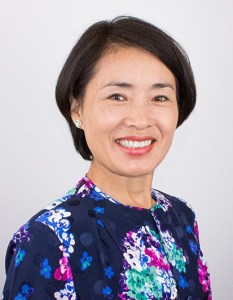
Soon Sim Jo
M.A., Lehrkraft für Koreanisch
Lehrveranstaltungen:
Koreanisch I bis IV, Fachsprache I und II
E-Mail: jo@oai.de

Eunhye Lee
M.A., Lehrkraft für Koreanisch
Lehrveranstaltungen:
Koreanisch I bis IV, Fachsprache I und II
E-Mail: eunhye.lee@hwg-lu.de
Christine Liew
M.Litt., stellvertr. Institutsleitung, Studiengangkoordination und Studienberatung. Lehrkraft für Koreastudien
Studienberatung:
Webseite der Studienberatung
Lehrveranstaltungen:
Geschichte, Landeskunde und Politik Koreas
Wirtschaftspolitik Koreas I
Tel.: 0621 5203-423
E-Mail: liew@oai.de

Peter Lösch
Mediengestalter
Mediengestalter für Digital- und Printmedien, Social Media Manager für Fachbereich II: Marketing und Personalmanagement und Ostasieninstitut.
Tel.: 0621 5203-436
E-Mail: peter.loesch@oai.de
Prof. Dr. Joachim Melcher
Professur für Wirtschaftsinformatik
Lehrveranstaltung:
Grundlagen der Wirtschaftsinformatik
E-Mail: Joachim.Melcher@hwg-lu.de
Thomas Morstatt
Dipl.-Kfm., Lehrbeauftragter für BWL
Lehrveranstaltungen:
Jahresabschluss, Steuerlehre, Kostenrechnung
E-Mail: Thomas.Morstatt@lb.hwg-lu.de
Prof. Dr. Gerhard Raab
Professor für BWL, Marketing und Wirtschaftspsychologie
Lehrveranstaltungen:
Marketing und Marktforschung
Tel.: 0621 5203-440
E-Mail: Gerhard.Raab@hwg-lu.de
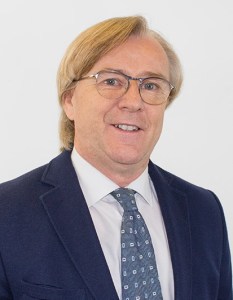
Eric A. Reynaud
Dipl.-Kfm., Lehrbeauftragter für Personalwirtschaft und VWL
Lehrveranstaltungen:
Personal und Organisation, Internationales Management
E-Mail: Eric.Reynaud@lb.hwg-lu.de
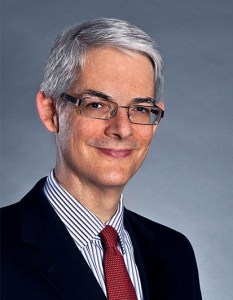
Prof. Dr. Frank Rövekamp
Institutsleitung, Studiengangleitung, Professor für Japanese Business, Politics and Language.
Lehrveranstaltungen:
Volkswirtschaftslehre, Grundlagen Japanstudien I und II, Wirtschaftspolitik I und II, Investition und Finanzierung
Tel.: 0621 5203-438
E-Mail: roevekamp@oai.de


Stefan Schwaab
Dipl. Betriebswirt, MBA. Lehrbeauftragter für BWL
Lehrveranstaltung:
Unternehmensführung in Asien
E-Mail: Stefan.Schwaab@lb.hwg-lu.de
Prof. Dr. Marcus Sidki
Professur für Volkswirtschaftslehre und Statistik
Lehrveranstaltung:
Wahlpflichtmodul Sustainable Finance
Tel.: 0621 5203-558
E-Mail: marcus.sidki@hwg-lu.de

Susan Simons
Dipl. Betriebswirtin (FH), Lehrbeauftragte für Wirtschaftsinformatik
Lehrveranstaltung:
Einführung in ERP-Systeme am Beispiel SAP
E-Mail: Susan.Simons@lb.hwg-lu.de
Prof. Dr. Christina Stadler
Professur für Allgemeine Betriebswirtschaftslehre mit Schwerpunkt Entrepreneurship
Lehrveranstaltung:
Marketing
Tel.: 0621 5203-278
E-Mail: christina.stadler@hwg-lu.de

Dr. Alexander Unger
Wissenschaftlicher Mitarbeiter
Tel.: 0621 5203-351
E-Mail: alexander.unger@hwg-lu.de
Profil
Alexander Unger (Phd) unterrichtet Empirische Forschungsmethoden, Statistik und Psychologie und der Hochschule für Wirtschaft und Gesellschaft Ludwighafen (Deutschland) . Er führt Forschungen in den Bereichen der Motivations-und Sozialpsychologie durch. Die Forschungsschwerpunkte sind Selbstkontrolle, Construal-Level Theorie und Zeitperspektiven. Ein weiteres Forschungsinteresse ist die interkulturelle Psychologie. Er ist seit 2015 Mitglied des Personality and Social Adaptation Laboratory an der Southwest University Chongqing (China). Seit 2018 ist er auch Associate Professor an der Hassan II Universität in Casablanca (Marokko) und Associate Visiting Professor an der Southwest University Chongqing.
Beruflicher Werdegang
Januar 2018 – heute | Associate Professor an der ENCG Casablanca, Marokko |
Dezember 2017 – heute | Associate Visiting Professor an der School of Psychology, Southwest University, Chongqing |
Februar 2012 – August 2012 | Lehrbeauftragter für Sozialpsychologie an der Universität Mannheim |
January 2010 – heute | Forscher und Koordinator internationaler Forschungsprojekte an der Hochschule für Wirtschaft und Gesellschaft Ludwigshafen |
November 2008 – Dezember 2009 | Vertretungsprofessur für Sozialpsychologie an der Hochschule für Wirtschaft und Gesellschaft Ludwigshafen |
April 2008 – Oktober 2008 | Gast Professor für Forschungsmethodik an der PHW Bern, Schweiz |
September 2007 – March 2008 | Wissenschaftlicher Angestellter am Internationalen Zentrum der Offenen Universität an der Hochschule für Wirtschaft und Gesellschaft Ludwigshafen |
Juli 2003 – August 2005 | Forscher am Institut für Wirtschaft und Sozialforschung (IWS GmbH), Hemsbach |
September 2000 – September 2001 | Lehrbeauftragter für Statistik und Psychologie an der Hochschule für Wirtschaft und Gesellschaft Ludwigshafen |
Ausbildung
Oktober 2002 – Oktober 2007 | PhD in Sozialpsychologie, Universität Mannheim |
Juni 1994 – Dezember 2001 | Diplom in Sozialwissenschaften, Universität Mannheim |
Publikationen
1. Mudra, P, Rupp, M. & Unger, A. (2005). Führungsposition aufgegeben – eine
Studie der Fachhochschule Ludwigshafen. Zeitschrift für Human Ressource
Management, 57, 54 – 56.
2. Mudra, P, Rupp, M. & Unger, A. (2005). Stand und Entwicklung der
betrieblichen Weiterbildung. Weiterbildung, 3, 24-27.
3. Unger, A. (2007). Neue Ansätze in der Organisation. In: Kremin-Buch, B;
Unger, F. & Walz, H. (Hrsg.). Lernende Organisation – Managementschriften
der Fachhochschule Ludwigshafen am Rhein – Hochschule der Wirtschaft.
4. Unger, A. (2007): Der Einfluss von Ego-Depletion auf das Risikoverhalten.
Aachen: Shaker.
5. Raab, G., Unger, A. & Unger, F. (2008). Methoden der Marketing-Forschung (2. Aufl.), Wiesbaden: Gabler.
6. Unger, A. & Stahlberg, D. (2008). The influence of ego depletion on decision
making. Forschungsbericht des SFB 504 Rationalitätskonzepte,
Entscheidungsverhalten und ökonomische Modellierung, Universität
Mannheim, 2008.
7. Unger, A. (2008). Influence of Ego-Depletion on Risk-Behavior. International
Journal of Psychology, 43 (3/4), 213 – Abstracts of the XXIX International
Congress of Psychology, Berlin, July 20 – 25.
8. Unger, A. Roth, M. & Bertrams, A. (2009). Ego-Depletion und
Arbeitszufriedenheit – eine korrelative Studie über mögliche
Zusammenhänge. Tagungsband der 15. Fachtagung der Gesellschaft für
angewandte Wirtschaftspsychologie, Ludwigshafen am Rhein , 10. und 11.
Juli 2009, 468 – 483.
9. Eberle, H.-M. & Unger, A. (2009). Persönliche, schriftliche und elektronische
Kommunikation in Organisationen im Vergleich. In: Raab, G. & Unger, A.
(Hrsg.). Tagungsband der 15. Fachtagung der Gesellschaft für angewandte
Wirtschaftspsychologie (GWPs), Ludwigshafen am Rhein, 10. und 11. Juli
2009, 377 - 396.
10. Raab, G. & Unger, A. (2009). Tagungsband der 15. Fachtagung der
Gesellschaft für angewandte Wirtschaftspsychologie GWPs, Ludwigshafen
am Rhein, 10. und 11. Juli 2009; Herausgeber, Pabst Verlag, 2009.
11. Busch, R., Unger, A. & Unger, F. (2010). Internationales Marketing. In. Unger,
F. (Hrsg.). Kompendium der Betriebswirtschaftslehre, Band I, (7. Aufl.) 405-
461.
12. Raab, G., Reisch, L.A. & Unger, A. (2010). Unkontrolliertes und süchtiges
Kaufverhalten in Deutschland: Wen interessiert die Wirtschaftskrise? In
Jürgen Smettan (Hrsg.). Beiträge zur Wirtschaftspsychologie 2010. 64 –72.
13. Kollmann, K. & Unger, A. (2010): Kaufsucht in Österreich – Bericht zur siebten
Kaufsuchtgefährdungsstudie 2010 [Compulsive buying in Austria – Report of
the fifth Survey about Endangerment by Compulsive Buying 2010].
PhD in Sozialpsychologie, Universität Mannheim
Oktober 2002 – Oktober 2007
Diplom in Sozialwissenschaften, Universität Mannheim
Juni 1994 – Dezember 2001
Publikationen
Materialien Konsumenten-politik, 1, 2010. Wien: Chamber of Workers and
Employees of Vienna, Department of Consumer Policy.
14. Raab, G., Unger, A. & Unger, F. (2010) Marktpsychologie – Lehrbuch (3. Aufl.).
Wiesbaden: Gabler.
15. Unger, A. (2010). Ego Depletion – Verlust an Kontrolle, in Raab, G. & Unger, F.
Marktpsychologie (3. Aufl.), Wiesbaden: Gabler, 311 – 331.
16. Raab, G., Goddard, J., Ajami, R. A. & Unger, A. (2010). The Psychology of
Marketing: Cross-cultural perspectives. Farnham: Gower Publications.
17. Unger, A. & Stahlberg, D. (2011). Ego Depletion and Risk Behavior: Too
Exhausted to Take a Risk: Social Psychology, 42(1), 28 – 38 (Special Issue,
Guest Editors: Wieber, F.; Gollwitzer, P. M. & Seebaß, G.).
18. Bertrams, A.; Unger, A. & Dickhäuser, O. (2011). Momentan verfügbare
Selbstkontrollkraft – Vorstellung eines Messinstruments und erste Befunde
aus pädagogisch-psychologischen Kontexten, Zeitschrift für pädagogische
Psychologie, 25(3), 185 – 196.
19. Unger, A.; Busch, R.; Wang, Y. C. & May, C. (2011). Leadership Styles in China
– Development of a Questionnaire for measuring Chinese Leadership Styles.
Proceedings of the Conference of Psychology and Social Harmony (CPSH), 8-
10. April in Wuhan, China. Irvine, CA: Scientific Research Publishing USA. 60
– 63.
20. Busch, R.; McMahon, R.; Unger, A., May, C. & Wang, Y.-C. (2013): A
Comparison of Leadership Styles between Chinese and German Managers of
Chinese Companies in Germany. Web Journal of Chinese Management
Review, 16(2), 1 - 17.
21. Papastamatelou, J.; Unger, A. & Lambropoulou, E. (2014). Compulsive
buying of European, Asian and African Students – The role of response style
and measurement biases. Quarterly Journal of the Association of
Psychology and Psychiatry for Adults and Children, 21(2-3), 27.
22. Unger, A.; Papastamatelou, J.; Okan, E.Y. & Aytas, S. (2014): How the
Economic Situation Moderates the Influence of Available Money on
Compulsive Buying of Students – A Comparative Study Between Turkey and
Greece. Journal of Behavioral Addictions, 3(3), 173 - 181.
23. Yan, J.; Hou, S. & Unger, A. (2014). High Construal Level induced by Abstract
Mind Set Reduces Overoptimistic Own-Performance Prediction. Personality
and Social Behavior, 42(8), 1303-1314.
24. Li, S.; Unger, A. & Bi, C. (2014): Different Facets of Compulsive Buying Among
Chinese Students, Journal of Behavioral Addictions, 3(4), 238-245.
25. Unger, A. & Raab, G. (2015): The Dark Side of Globalization and
Consumption: How similar are Chinese and German Consumers toward their
Proneness to Compulsive Buying? Journal of Asia Pacific Business, 16(1),
4-20.
26. Papastamatelou, J.; Unger, A.; Giotakos, O. & Athanasiadou, F.: (2015): Is
Time Perspective a Predictor of Anxiety and Perceived Stress? Some
Preliminary Results from Greece. Psychological Studies, 60(4), 468-477.
27. Unger, A.; Bi, C; Xiao, Y.-Y. & Ybarra, O. (2016): The Revising of the Tangneyee
Self-Control Scale for Chinese Students PsyCH Journal, Vol. 5.
28. Raab, G., Unger, A. & Unger, F. (2016) Marktpsychologie – Lehrbuch (4. Aufl.).
Wiesbaden: Gabler).
29. Raab, G.; Unger, A. & Unger, F. (2018): Methoden der Marketing-Forschung (3. Aufl.). Wiesbaden.
30. Rihihil, A.; Unger, A.; Gassemi, K. & Jellil, A. (2018). Identifying Morocco's
Perceived Attractiveness to SMEs Managers in Germany. Internationalee Journal
of Trade, Economics and Finance, 9(2), 70 – 76.
31. Papastamatelou, J. & Unger. A. (2018) Differences in Burnout Proneness depend
on Time Perspective–Evidence from an Occupational Sample ofee Industrial
Employees and MBA-Students. In: Dialogues in Clinicalee Neuroscience & Mental
Health, 1, 52 – 57.
32. Unger, A.; Gassemi, K. & Papastamatelou, J. (2018): The effects of language u se
on time perspectives in multi-lingual Morocco. Psychology and Developing
Societies, 30(2), 1 - 22.
33. Unger, A.¸ Lv, H. & Zimbardo, P.G. (2018): How Compulsive Buying Is Influenced
by Time Perspective—Cross-Cultural Evidence from Germany, Ukraine, and
China. International Journal of Mental Health and Addiction, 16(3), 525–544.
34. Papastamatelou, J., Unger, A., Zachariadis, A. (2020). Time Perspectives and
Proneness to PTSD Among Syrian Refugees in Greece. Journal of Loss and
Trauma, 1-15.
35. Busch, R., Gassemi, K., Papastamatelou, J., Unger, A., & May C. (2020).
Perception of formal and informal institutions by entrepreneurs
in China, Morocco, and Germany -A cross-cultural pilot study.
International Journal of Management and Economics, 56(4), 1-15.
36. Unger, A., Papastamatelou, J., Arparagus, J. ( 2021). Do Social Networks increase
Donation Frequency? The Swiss Context. Current Psychology.
37. Gassemi, K., Papastamatelou, J., & Unger, A. (2021). Time Perspective Influence
on Management Leadership Styles and the Mediating Role of
Self-Efficacy. Leadership, Education, Personality: An InterdisciplinaryJournal.
38. Unger, A.; Papastematelou, J.; Vowinckel, J. & Klamut, O., & Heger, A.
(forthcoming 2019): Time is the fire in which we burn (out): How time
perspectives may facilitate and inhibit burnout tendencies of health care
professionals: (submitted in Psychological Studies).
39. Zachariadis, A.; Papastamatelou, J., Unger, A. & Zimbardo, P. G. (forthcoming
2021): Social Intensity Syndrome among Greek military personnel: The role
ofeeGender, Romantic Relationships and Burnout (submitted in Social
Psychology).
Konferenzen
1. Unger, A. & Stahlberg (2005). Der Einfluss von Ego Depletion auf das
Risikoverhalten. Vortrag auf der 10. Tagung der Fachgruppe
Sozialpsychologie in Jena (FGSP): September, 27.
2. Unger, A. (2008). The influence of ego depletion on the use of heuristics,
Vortrag während der Summer School “Rationality and irrationality in
decision making: The role of intuition and emotion” an der Università
Cattolica del Sacro Cuore, Milano, June 30. – July 3.
3. Unger, A. (2008). The influence of ego depletion on risk behaviour; XXIX
International Congress of Psychology (ICP), Berlin, July 20. – 25.
4. Bertrams, A., Dickhäuser, O. & Unger, A. (2008). How exhausted are my
students right now? Measuring executive energy as state. Poster presented at
the EARLI SIG 18 Educational Effectiveness Conference, Frankfurt am Main:
August, 2008.
5. Unger, A. (2008). Ego Depletion und Entscheidungen. Talk hold at PHW, Bern,
August, 15.
6. Unger, A. (2009). Ego Depletion, subjective time perception and decision
making, Vortrag anläßlich der Summer School “Decision and time:
Reconsidering the past, anticipating the future” an der Università Cattolica
del Sacro Cuore, Milano, June, 30 – July 3.
7. Unger, A. (2009). The influence of ego depletion and the use of heuristics,
11th European Congress of Psychology (ECP), Oslo, July, 7 – 10.
8. Unger, A. (2009). Beeinflussbarkeit unter Ego-Depletion - Mediatoren und
Moderatoren. Symposiumsbeitrag auf der 12. Tagung der Fachgruppe
Sozialpsychologie (FGSP), September, 2 – 4, Université du Luxembourg.
9. Raab, G., Reisch, L.A. & Unger, A. (2010). Unkontrolliertes und süchtiges
Kaufverhalten in Deutschland: Wen interessiert die Wirtschaftskrise?
Kongress zur Wirtschaftspsychologie in Potsdam, May, 14 –15.
10. Unger, A. (2010). Ego Depletion: Cross cultural aspects and economic
applications. 15. May 2010 an der Fuzhou-University, P.R. China.
11. Unger, A. & Goll, A. (2010). Ego Depletion: The Role of Gender and
Dispositional Risk Proclivity. Poster presented at the joint conference of the
International Association for Research in Economic Psychology (IAREP) and
the Society for the Advancement of Behavioral Economics (SABE). Cologne,
September, 5 – 10.
12. Raab, G. Reisch, L. A. & Unger, A. (2010). Compensatory and addictive buying
behavior: Who actually cares about the economic crisis? Poster presented at
the joint conference of the International Association for Research in
Economic Psychology (IAREP) and the Society for the Advancement of
Behavioral Economics (SABE). Cologne, September, 5 – 10.
13. Unger, A.; Busch, R.; Wang, Y. C. & May, C. (2011). Leadership Styles in China
– Development of a Questionnaire for measuring Chinese Leadership Styles.
Presented at the Conference of Psychology and Social Harmony (CPSH),
Wuhan (China) April, 8 –10.
14. Unger, A.; Buss, E. & Stahlberg, D. (2011). Short-term work: Gender
differences in ego-depletion following feelings of incertitude and pessimistic
appraisal of the future. Presented at the Conference of Psychology and
Social Harmony (CPSH), Wuhan (China), April, 8 – 10.
15. Unger, A.; Schulze, D. & Stahlberg, D. (2011). The Influence of Ego-Depletion
on the Effectiveness of Persuasive Messages. Presented at the Conference of
Psychology and Social Harmony (CPSH), Wuhan (China) April, 8 – 10.
16. Unger, A. & Stahlberg, D. (2011). European Congress of Psychology (ECP),
Istanbul, Turkey. Reversed Effects of Ego-Depletion on the Persuasiveness of
Emotional and Rational Advertising, July, 4 – 8.
17. Unger, A.; Klotz, A. & Stahlberg, D. (2011). European Congress of Psychology
(ECP), Istanbul, Turkey. Ego-Depletion Increases Risk-Aversion in Self-
Relevant but not in Fictional Decisions in the Context of a Stock Market
Scenario, July, 4 – 8.
18. Unger, A.; Raab, G. & Tang, Z. (2011). Compulsive buying among student
consumers – A comparative cross-cultural study of Cameroon, China and
Germany. Joint Conference of International Association for Research in
Economic Psychology / Society for the Advancement of Behavioral
Economics / International Confederation for the Advancement of Behavioral
Economics and Economic Psychology, Exeter (United Kingdom), July, 12 –
16.
19. Raab, G.; Reisch, L.A.; Kollmann, K.; Unger, A. & Gwozdz, W (2011).
Compulsive Buying from Skagerrak to Styria: How similar are the consumers
concerning their compulsive buying tendencies – A comparative study of
Denmark, Germany and Austria. Joint Conference of International
Association for Research in Economic Psychology / Society for the
Advancement of Behavioral Economics / International Confederation for the
Advancement of Behavioral Economics and Economic Psychology, Exeter
(United Kingdom), July, 12– 16.
20. Unger, A. & Busch, R. (2011). Business Ethics and Cognitive Dissonance, 14th
Annual Conference of the Irish Academy of Management (IAM). August, 31 -
September 2, National College of Ireland, Dublin.
21. Unger. A. (2012). Ego Depletion – Overview of underlying mechanism in
failure of self-control. Southwest University Chongqing; May, 20.
22. Unger, A. (2012). Basic Principle of Experiments within the Ego Depletation
Paradigma” Psychologcial Association Conference in Yongchuan, May, 25.
23. Raab, G.; Reisch, L.A.; Gwozdz, W.; Kollmann, K. Schubert, A.M. & Unger, A.
(2012). Pathological buying behaviour: Investigating the trend of
compensatory & compulsive buying in Austria, Denmark & Germany.
Presentation at the 2012 IAREP conference in Wroclaw (Poland), September,
6.
24. Unger, A.; Busch, R.; Hau, L. N. & Wang, Y. C. (2012). The influence of time
perspectives (ZTPI) on the acceptance of unethical behavior in the context of
business ethics – A cross-cultural comparison between China, Vietnam and
Germany: Ist International Conference on Time Perspective in Coimbra
(Portugal), September, 5 – 8.
25. Unger, A. (2012), Time-Perspective and compulsive buying: How the
proneness to pathological buying behavior is determined by negative past,
hedonistic present and future orientation; Poster presented at the 1st
International Conference on Time Perspective in Coimbra (Portugal),
September, 5 – 8.
26. Unger, A. & Papastamatelou, J. (2013). How ego-depletion influences the
evaluation of anti-social deviant behavior. Conference "Motivation in social
context" in Krakov July, 30 - 2 in: Sławomir Śpiewak & Magdalena Smieja-
Necka (Eds.), Motivation in Social Contexts, p. 29.
27. Unger, A. & Hau, L. N. & Busch, R. (2013). Development of a Questionnaire
Measuring Cultural Based Leadership Styles in Vietnam. 13th European
Congress of Psychology (ECP 2013) held in Stockholm, July, 9 - 12.
28. Unger, A. (2013). The Influence of Time Perspectives on Burnout-Tendency.
Asian Conference on Health Psychology (ACHP), South Korea, August.
29. Unger, A.: (2013) Selbstkontrolle und pathologisches Konsumverhalten.
Yeditepe Üniversitesi in Istanbul, October, 8 - 10.
30. Unger, A.: (2013) Time perspectives theories of self-control. Guest lecture at
Fuzhou University, China; December, 13.
31. Unger, A.; Papastamatelou, J.; Gassemi, K. & Lu, A. (2014): The Relationship
Between the Zimbardo Time Perspective Inventory (ZTPI) and the Hofstede-
Dimensions: Preliminary Empirical Evidence from Germany, Morocco, and
China. Presented at the Conference of Psychology and Social Harmony
(CPSH), in Suzhou--(China) May, 16 – 18.
32. Papastamatelou, J., Unger, A. & Lambropoulou, E. (2014).Compulsive buying
of European (Greece and Kosovo), Asian (China) and African Students
(Cameroon and Morocco) – The role of response style and measurement
biases. Poster presented at the Annual International Conference of the
Association of Psychology and Psychiatry for Adults and Children
(A.P.P.A.C.). Athens, Greece, May, 13-16.
33. Unger, A. (2015). Some paradoxical effects of ego-depletion and persistence.
Presented at the European Congress of Psychology (ECP), Milano, Italy, July,
7 - 10.
34. Unger A., Agutu J., Papastamatelou J. (2015). The influence of time
perspectives of the burnout tendencies of German employees. Poster
presented at the 4th East European Psychiatric Congress & 3rd Preventive
Psychiatry International Congress, Athens, Greece, November, 12-15.
35. Papastamatelou, J., Unger, A., Giotakos, O., & Athanasiadou, F. (2015).
Feeling of anxiety and stress: which is the relationship to time? Conference
Speech presented at the 4th East European Psychiatric Congress & 3rd
Preventive Psychiatry International Congress, Athens, Greece, November,
12-15 November.
36. Unger, A.; Li, S. & Bi, C. (2016). Self-control strength and compulsive buying:
A comparative study among Chinese and German students; Conferencecontribution
for the 31st International Congress of Psychology (ICP2016)
Yokohama, Japan, July, 24-29.
37. Unger, A.; Gassemi; K. & Papastamatelou, J. (2016). Measurement of Time
Perspective (TP) and Language: Why Language Matters in Morocco as a Case
of Multi-Lingual Society; Conference-Contribution for the 3rd International
Conference on time perspective, Copenhagen, Denmark, August, 15-19.
38. Unger, A. & Papastamatelou, J. (2016). How Time Perspectives Facilitate and
Inhibit Burnout Tendencies - Evidence from Occupational Samples;
Conference-contribution for the 3rd International Conference on time
perspective, Copenhagen, Denmark, August, 15-19.
39. Gassemi, K., Unger, A.; Papastamatelou, J.; Busch, R. & Belfellah, Y. (2017).
The Cross Cultural Perceptions of Informal and Formal Institutions by
Entrepreneurs and Their Effects on the Business Environment. Conference-
Contribution for the International Conference on e-Commerce, eAdministration,
e-Society, e-Education, and e-Technology; Kyoto, Japan,
April 4-6.
41. Unger, A. (2017). Experimental research in psychology applied to
management sciences research projects. Presented at the International
Symposium on Management and Strategy of Organizations CIMSO - 1st
Edition 5 et 6 Mai – ENCG –Casablanca, Morocco.
42. Gaber, H., Unger, A. & Boulahoul, A. (2017). Testing a Scale for Measuring
Compulsive Buying in Morocco. ICEME October 27-29, 2017 / Birmingham,
UK.
43. Rihihil, A. Unger, A., Gassemi, K. & Jellil, A. (2017). Identifying Morocco’s
Perceived Attractiveness to SMEs Managers in Germany. ICEME.
Birmingham, UK, October, 27-29.
44. Unger, A. (2017). Does construal level moderates the foreign language effect
on self-control? The case of Standard Arabic in Morocco. Vortrag im
Kolloquium am Lehrstuhl von Prof. Dr. M. Wänke, Universität Mannheim.
45. Wang, B.; Unger, A.; Lv, H. & Bi, C. (2018). The role of time perspective in the
motivational transition on emotional feeling with aging: Older male prefer
to keep balance, older female prefer to feel better. 4th International
Conference on Time Perspective, Nantes, France, August, 27 – 31.
46. Papastamatelou, J.; Unger, A.; Zachariadis, A. & Rönnlund, M. (2018). The
relationship between time perspectives and PTSD: Evidence from Syrian
Refugees accommodated n Greek Hotspots: 4th International Conference on
Time Perspective, Nantes, France, August, 27 – 31.
47. Unger, A.; Omari, S. & Papastamatelou, J. (2018). Is working in Agan Projects
changing the Social Habitus of Tamazight Woman in respect of Time
Perspectives and Self-Efficacy? 4th International Conference on Time
Perspective, Nantes, France, August, 27 – 31.
48. Unger, A., Papastamatelou, J. & Olivera-Figueroa, L. (2019). Construal
level and ego depletion influence on self-control performance of
military personnel with and without burnout. IBRO Reports, 6, p.
460-461.
49. Unger, A. (2020). Does Life Satisfaction depend on Time Perspectives and
Mindfullness. A cross-cultural study. Presented at the APA, August 6th-8th.
Grant proposals eingereicht / in Vorbereitung
1.) “Online black propaganda and what works against it: A Cross Cultural Study
of Effects".
Proposal for a Research Grant
from the Deutsche Forschungsgemeinschaft (DFG)
1. Dr. Julie Papastamatelou
2. Dr. Alexander Unger
3. Dr. Andreas Zachariadis
2.) “Ego Depletion and Decision Making: The Case of Risk Taking”.
Proposal for a Research Grant
from the Deutsche Forschungsg emeinschaft (DFG)
1. Dr. Alexander Unger
2. Dr. Julie Papastamatelou
3. Prof. Dr. Dagmar Stahlberg
Mitgliedschaften
- American Psychological Association (APA)
- Time Perspective Research Network (TPRN)
- IAREP
- SABE
- LAMSO ENCG, Casablanca, Morocco.
- Houchao LYU's Lab, Southwest University, Chongqing, China
- Personality and Social Adaptation Laboratory at Southwest University
Chongqing, China
Zusätzliche Aktivitäten
Reviewer Tätigkeiten für
- Time & Society
- Social Psychology
- The Journal of General Psychology
- Journal of Consumer Policy
Seit 2009: Inititiierung mehrer Forschungsprojekte in Kooperation mit der School
of Management, Fuzhou, China und der South-West University Chongqing
(Department of Psychology)
Forschungsaufenthalte:
- Irish Academy of Management Dublin, Ireland: September 2011
- Fuzhou University, Fuzhou, China: Dezember 2011
- Yeditepe University, Istanbul, Turkey: Oktober 2013 Southwest
- University, Chongqing, China: Dezember 2013 Southwest
- University, Chongqing, China: November 2014 Fuzhou University,
- Fuzhou, China: Dezember 2014eSouthwest University,
- Chongqing, China: September 2015 Southwest University,
- Chongqing, China: November 2017 Zhejiang University,
- Hangzhou, China: September 2018 ENCG Casablanca, Morocco: Januar 2019
- Southwest University, Chongqing, China: April 2019
Referenzen
Referenzen auf Anfrage erhältlich

Prof. Dr. Manuel Vermeer
Lehrkraft für Chinesisch
Lehrveranstaltungen:
Chinesisch I bis IV, Fachsprache Wirtschaft I und II. Kommunikation & Psychologie
Tel.: 0621 5203-426
E-Mail: vermeer@oai.de

Prof. Dr. Peter Wetzler
Prof. für Japanstudien, Lehrbeauftragter für japanische Geschichte.
Lehrveranstaltungen:
Japanstudien I
E-Mail: peter.wetzler@oai.de
Maya Yazaki
Lehrbeauftragte für Japanisch
Lehrveranstaltung:
Japanisch I
E-Mail: Maya.Yazaki@lb.hwg-lu.de

Dr. Yunru Zou
Lehrbeauftragte für Interkulturelles Management
Lehrveranstaltungen:
Interkulturelles Management und Fachsprache II
Tel.: 0621 5203-437
E-Mail: yunru.zou@oai.de